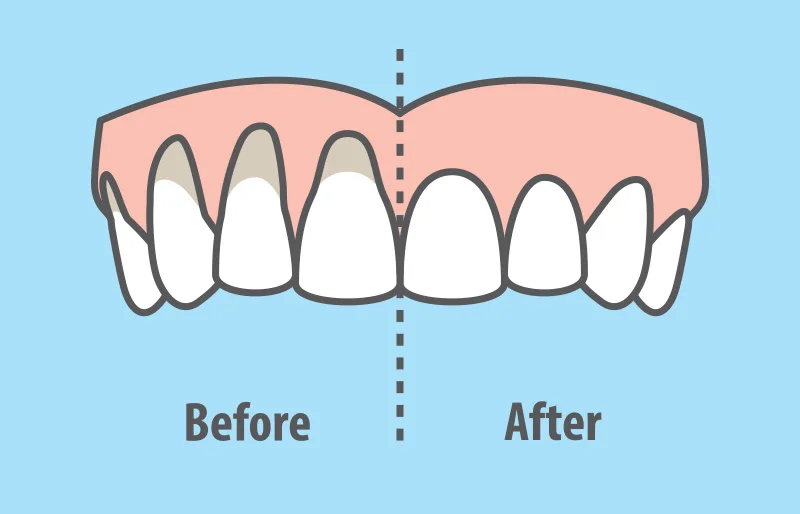
Hey there, have you ever looked in the mirror and noticed your teeth seem a bit longer than usual? Or maybe you’ve felt a sharp twinge when sipping hot coffee or biting into ice cream? That could be gum recession at play. Gum recession happens when the gum tissue around your teeth starts to pull back, exposing the roots underneath. It’s a common issue that creeps up slowly, often without much pain, but ignoring it can lead to bigger problems. In this post, we’ll dive into what causes gum recession, the risks involved, and how to manage it effectively. Let’s keep it straightforward so you can take charge of your oral health.
Before we get into the details, let’s clarify what gum recession means. Your gums are like a protective blanket for your teeth. When they recede, or pull away, the tooth roots get exposed. This can make teeth look longer, feel sensitive, or even lead to gaps where food gets stuck. It’s not just a cosmetic issue, exposed roots are more prone to decay and damage because they’re not covered by that tough enamel layer.
Gum recession often develops gradually, so you might not notice it right away. But catching it early is key to preventing complications. If you’re dealing with this, you’re not alone. Millions experience it, and with the right steps, you can manage it well.
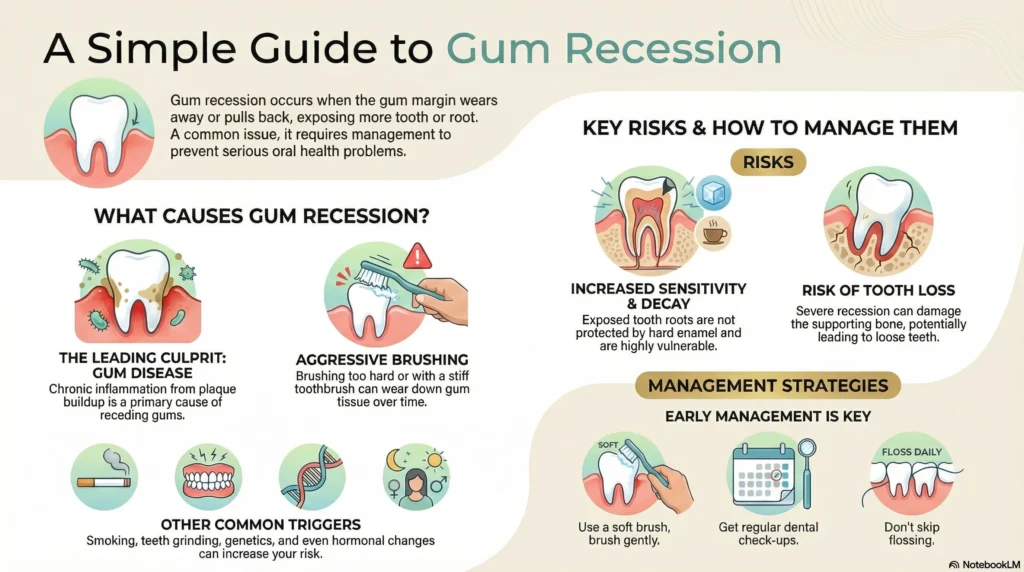
Understanding why gum recession happens can help you avoid it or stop it in its tracks. There are several factors at play, and sometimes it’s a mix of them. Here are the main ones:
Aggressive Brushing or Improper Techniques: Brushing too hard or with a stiff toothbrush can wear down gums over time. It’s like scrubbing too roughly, it damages the tissue instead of cleaning it.
Gum Disease (Periodontitis): This is a big one. Chronic inflammation from untreated gum disease eats away at the gums. Poor oral hygiene, like not flossing regularly, lets plaque build up and turn into tartar, which irritates the gums. Learn more about gum disease
Smoking and Tobacco Use: Smoking weakens the immune system and reduces blood flow to the gums, making them more vulnerable to recession. It’s a major risk factor that many overlook.
Genetic Factors: Some people are born with thinner gums or a family history of gum issues. If your parents had gum recession, you might be more prone to it.
Teeth Grinding or Clenching: Grinding your teeth, especially at night, puts extra pressure on the gums and can cause them to recede.
Misaligned Teeth or Bite Issues: Crooked teeth or a bad bite can put uneven stress on the gums, leading to wear and tear.
Dental Trauma or Irritation: Accidents, like a hard fall, or even oral piercings can irritate and damage gum tissue.
Hormonal Changes: Women might notice more recession during pregnancy, menopause, or puberty due to hormonal shifts that make gums sensitive.
Other Factors: Things like certain medications, nutritional deficiencies, or even diabetes can contribute by affecting gum health.
In places like India, where habits like tobacco use or aggressive brushing might be common, gum recession is a frequent concern. At Udana Wellness, we see how these factors play out and help patients address them.
If left untreated, gum recession doesn’t just stop at sensitivity. It can snowball into serious oral health issues. Here are the key risks:
Increased Tooth Sensitivity: Exposed roots have tiny tubules that connect to the nerve, making hot, cold, sweet, or acidic foods uncomfortable.
Higher Risk of Decay and Infection: Roots aren’t protected by enamel, so they’re more likely to get cavities or infections. Bacteria can sneak in, leading to root decay or abscesses.
Tooth Loss: Severe recession can loosen teeth, as the supporting bone gets damaged. Over time, this might mean losing teeth altogether.
Aesthetic Changes: Your smile might look uneven or aged, with longer teeth or visible roots. This can affect confidence.
Further Gum and Bone Loss: Recession often progresses, causing more tissue and bone to erode. It’s a cycle that gets harder to stop.
Impact on Overall Health: Poor gum health is linked to issues like heart disease or diabetes. Gum recession can worsen these if gum disease is involved.
Don’t let these risks scare you, early management can prevent most of them.
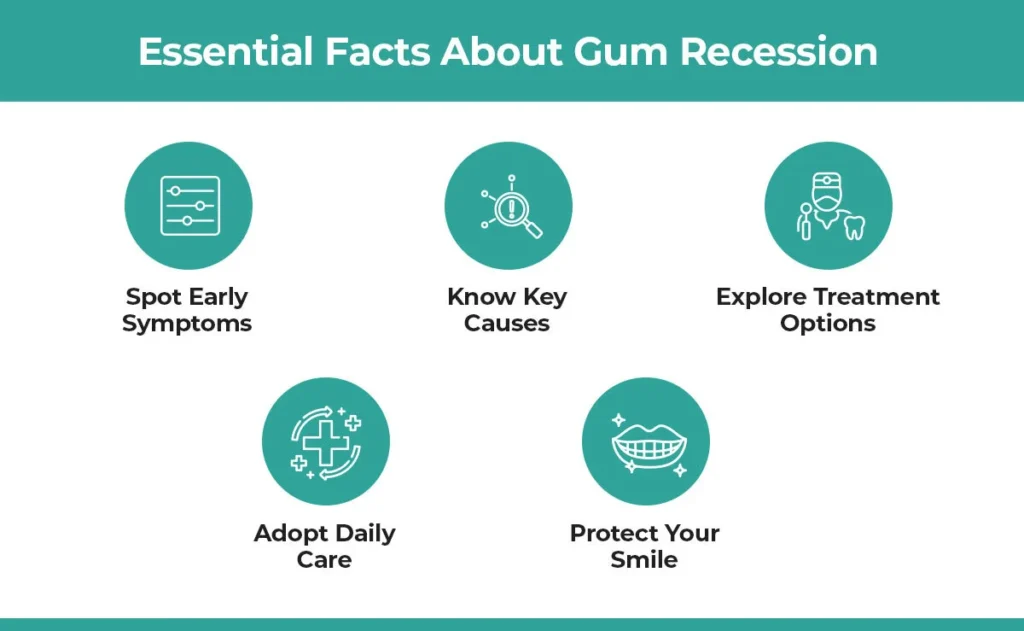
There are a lot of myths floating around that can confuse people. Let’s clear them up
Knowing these helps you take informed steps.
The good news? Gum recession is manageable, especially if caught early. Treatment depends on how severe it is. Here’s what you can expect:
Mild Cases: Start with professional cleanings to remove plaque and tartar. Use a soft toothbrush, desensitizing toothpaste, and learn gentle brushing. Fixing habits like quitting smoking or wearing a mouthguard for grinding helps a lot.
Moderate Cases: Deeper cleanings like scaling and root planing remove buildup below the gumline. Periodontal therapy might include antibiotics or laser treatments to reduce inflammation.
Advanced Cases: Surgery is often needed. Gum grafting takes tissue from elsewhere (like the roof of your mouth) and attaches it to the receded area. Minimally invasive options, like using growth factors or lasers, can also restore tissue without major surgery.
At Udana Wellness, we tailor treatments to your needs, using the latest techniques for comfort and results. Costs in India vary, but early care is affordable and effective.
Spotting gum recession early means simpler fixes and better outcomes. Regular dental checkups every six months can catch it before it worsens. Managing it protects your teeth, reduces sensitivity, and keeps your smile healthy and confident. Plus, it prevents the cycle of further loss.
Not fully on its own, but treatments like grafting can restore it. Prevention stops it from getting worse.
Look for longer teeth, sensitivity, or red/swollen gums. A dentist can confirm with an exam
Yes, if gum disease is involved, as bacteria build up.
Often not, but sensitivity to temperature can occur.
Brush gently, floss daily, avoid smoking, and see your dentist regularly.
A nightguard can protect your gums and teeth.
+91 9810821525
+91 9821621249
011 46595668
A 6/16, Vasant Vihar, Delhi - 110057
14 Poorvi Marg, vasant Vihar, Delhi-110057
udanawellness@gmail.com
Monday to Saturday
10 am to 7 pm

WhatsApp us