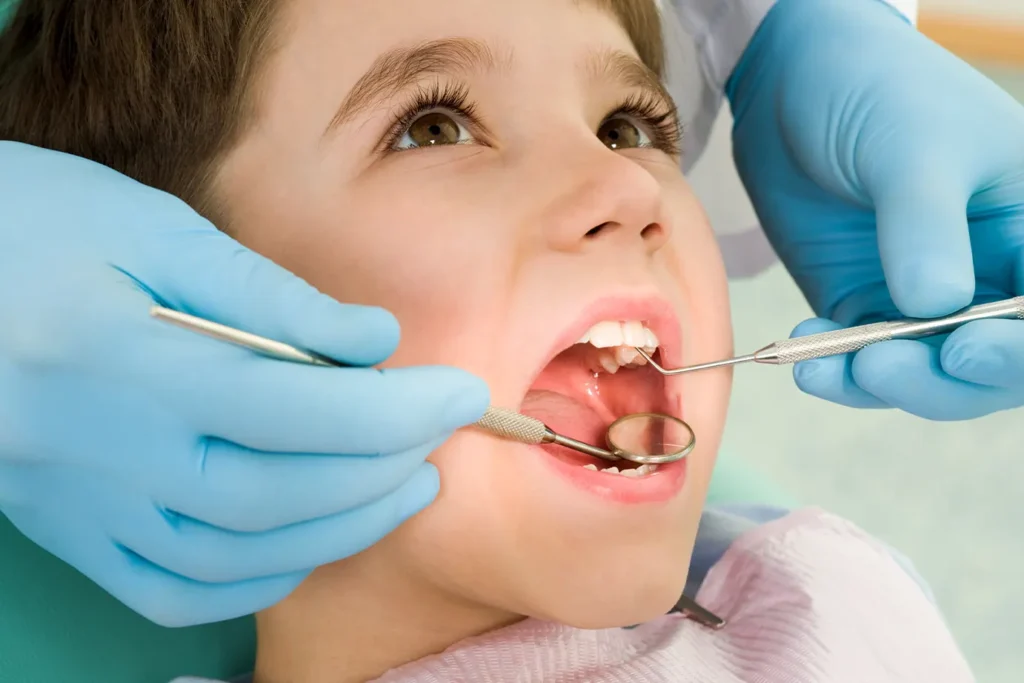
As a parent, you want the best for your child—and that includes a healthy, confident smile. But here’s something many parents don’t realize: the ideal time for your child’s first orthodontic checkup isn’t when they’re teenagers. According to the American Association of Orthodontists, kids should have their first orthodontic evaluation by age 7. Surprised? You’re not alone.
Let’s talk about why kids orthodontics matters earlier than you think, what signs to watch for, and how early intervention can save you time, money, and spare your child from more complex treatments down the road.
At age 7, most children have a mix of baby teeth and permanent teeth. This might seem like an odd time for an orthodontic checkup, but it’s actually the perfect window for early detection.
Here’s what’s happening in your child’s mouth at this age:
First permanent molars have erupted – These are the foundation of your child’s bite and help determine how other teeth will align.
Front teeth are coming in – If there’s going to be crowding, spacing, or alignment issues, they start becoming visible now.
Jaw growth is active – Your child’s jaw is still developing, making it easier to guide growth in the right direction.
Research shows that early orthodontic intervention can reduce treatment time by up to 12 months and decrease the need for tooth extractions by 40%. That’s significant when you’re talking about your child’s comfort and your family budget.
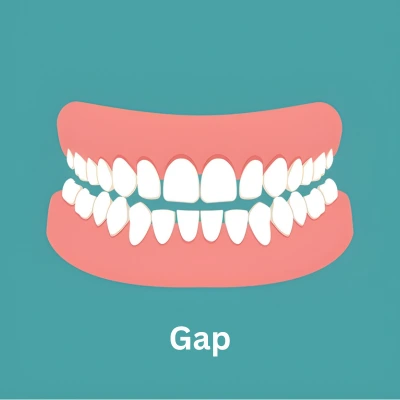
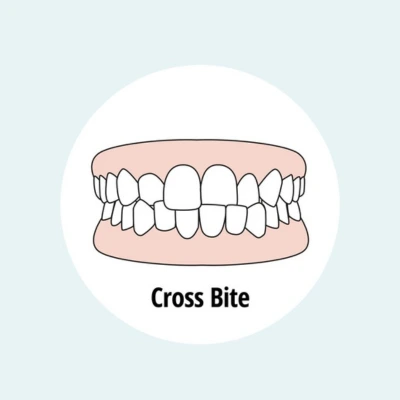
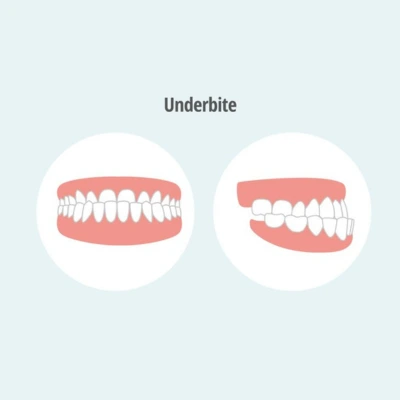
You might be thinking, “My child’s teeth look fine.” But orthodontic issues aren’t always obvious to the untrained eye. Here are problems that early checkups can catch:
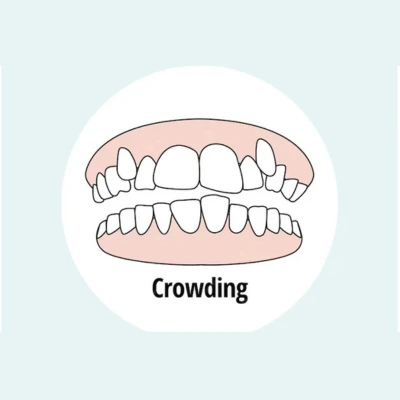
Crowding – When there’s not enough space for permanent teeth to come in properly, they can erupt crooked or get stuck (impacted). Studies indicate that 60-70% of children experience some degree of tooth crowding.
Crossbites – This happens when upper teeth sit inside lower teeth when biting down. If left untreated, crossbites can cause uneven jaw growth and facial asymmetry. Early correction has a 95% success rate compared to only 60% if treated after age 12.
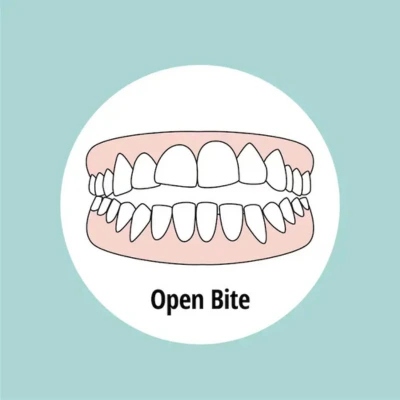
Open bites – When front teeth don’t meet when back teeth are together. Often caused by thumb sucking or prolonged pacifier use beyond age 3-4.
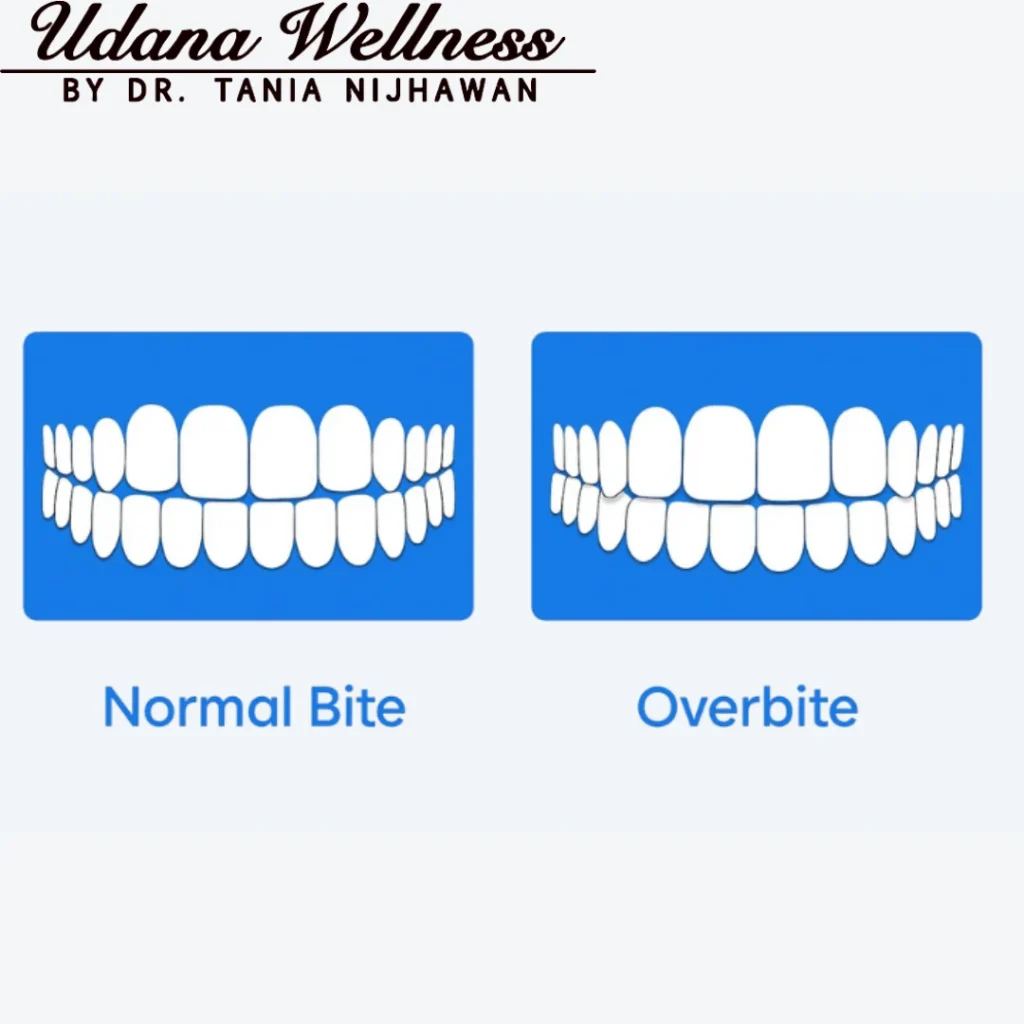
Underbites and overbites – Jaw relationship problems that are much easier to correct during growth phases. Treating severe overbites early can reduce the need for jaw surgery later by 70%.
Protruding front teeth – These are more prone to injury (especially for active kids who play sports). Children with protruding teeth are 3 times more likely to experience dental trauma.
Spacing issues – Too much space between teeth can indicate missing teeth or jaw size problems that need monitoring.
The key? Many of these issues are far easier and less expensive to treat when caught early, while your child’s jaw is still growing and responsive to treatment.
Let’s get practical. What do early orthodontic checkups actually do for your child?
Guides jaw growth properly – During growth spurts, orthodontists can use specialized appliances to encourage proper jaw development. This is something that becomes nearly impossible once growth is complete (usually around 16-18 years for girls, 18-21 for boys).
Creates space for permanent teeth – Rather than extracting healthy teeth later, early intervention can create the space needed naturally through palatal expanders or other orthodontic treatments.
Reduces treatment time later – Kids who receive Phase 1 treatment (early intervention around ages 7-10) typically need shorter Phase 2 treatment (comprehensive treatment around ages 11-13). Overall treatment time can be reduced by 30-40%.
Lowers overall treatment costs – While you’re investing in two phases, the overall cost is often lower than dealing with complex problems later. Plus, you avoid potential complications that require surgical intervention.
Builds confidence early – Let’s not underestimate the psychological impact. Kids dealing with severe orthodontic issues often face teasing. Addressing problems early can spare them social anxiety during crucial developmental years. Research shows that 80% of children with corrected dental issues report improved self-esteem.
Reduces injury risk – Protruding front teeth are vulnerable. Early correction can prevent fractures, chips, or knocked-out teeth during childhood activities.
Improves speech and eating – Some orthodontic problems affect how kids speak or chew food. Early correction helps with proper speech development and nutritional intake.
If you’ve never taken your child to an orthodontist, the process might seem mysterious. Here’s what to expect:
Visual examination – The orthodontist looks at teeth, jaw alignment, and facial symmetry. They’re checking bite relationships and how teeth fit together.
X-rays (if needed) – Panoramic X-rays show all teeth including those still developing under the gums. This reveals potential crowding before it becomes visible.
Photographs – Clinical photos document your child’s current dental situation and help track changes over time.
Discussion and recommendation – The orthodontist explains what they see and whether immediate treatment is needed, monitoring is recommended, or everything looks fine.
Here’s the good news: in many cases, the orthodontist will simply monitor your child’s development with periodic checkups every 6-12 months. Not every child needs immediate treatment. But having that professional assessment gives you peace of mind and a roadmap for the future.
When orthodontic treatment is recommended, it often happens in phases:
Phase 1 (Early Treatment): Ages 7-10
Resting Phase: Ages 11-12
Phase 2 (Comprehensive Treatment): Ages 11-13
Statistics show that children who undergo Phase 1 treatment require an average of 6-8 fewer months of Phase 2 treatment compared to those who skip early intervention.
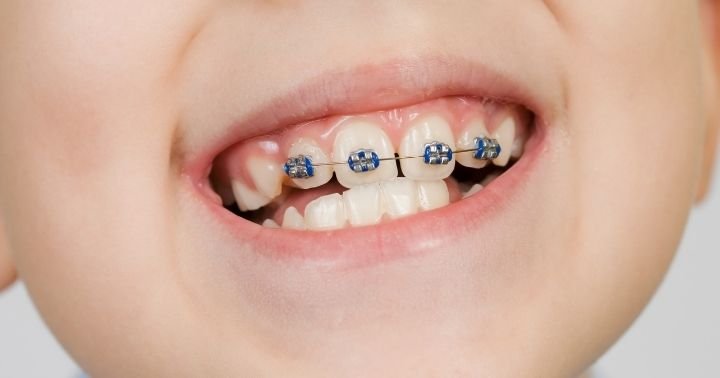
Kids orthodontics has come a long way from the bulky metal braces of decades past. Today’s options are more comfortable, effective, and even fun for kids:
Traditional Metal Braces
Ceramic Braces
Palatal Expanders
Space Maintainers
Retainers and Aligners for Teens
The best orthodontic products for your child depend on their specific needs, age, and the severity of their orthodontic issues. A qualified orthodontist will recommend the most effective option.
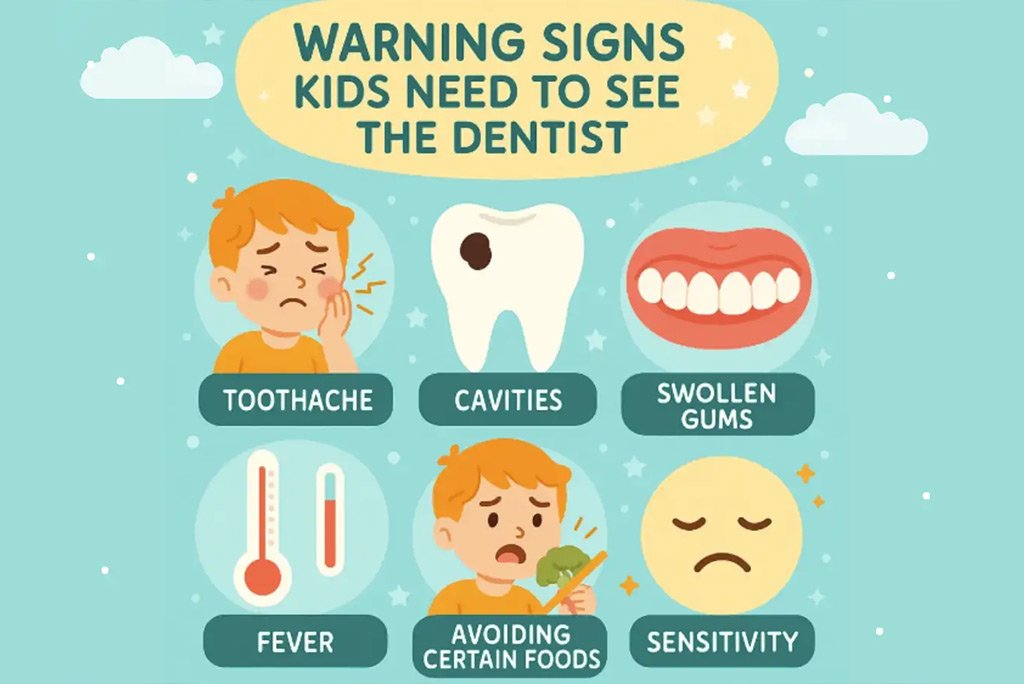
Between regular dental visits, watch for these red flags:
If you notice any of these signs, don’t wait. Early evaluation can make a significant difference in treatment outcomes.
Let’s address the elephant in the room: cost. Kids orthodontics is an investment, and parents naturally wonder if it’s worth it.
In Delhi, orthodontic treatment for children typically ranges from ₹40,000 to ₹2,50,000 depending on:
Many families find that clinics in areas like Vasant Vihar offer flexible payment plans, making treatment more accessible. Some dental insurance policies cover a portion of orthodontic treatment for children.
But here’s what really matters: untreated orthodontic problems can lead to:
When you look at the long-term health benefits and confidence boost, early orthodontic intervention isn’t just about straight teeth—it’s about your child’s overall wellbeing.

Not all orthodontic practices are created equal. When choosing where to take your child, consider:
Pediatric-friendly environment – Does the clinic feel welcoming to children? Are staff members patient and good with kids?
Advanced technology – Digital scanning, 3D imaging, and modern treatment planning tools make treatment more precise and comfortable.
Comprehensive approach – Look for clinics offering multiple specialties under one roof. Sometimes orthodontic issues overlap with other dental needs.
Transparent communication – You should receive clear explanations of treatment options, timelines, and costs upfront.
Convenient location – Orthodontic treatment requires multiple visits. A clinic in your neighborhood (like Vasant Vihar for South Delhi residents) makes appointments less disruptive.
Experience with children – Treating kids requires different skills than treating adults. Look for orthodontists experienced in kids orthodontics specifically.
Udana Wellness in Vasant Vihar combines state-of-the-art orthodontic technology with a holistic approach to dental care. Our team understands that children need a gentle, patient approach that makes dental visits positive experiences rather than stressful ones.
Not necessarily. About 30% of children who undergo Phase 1 treatment don’t need comprehensive braces later. Early intervention can sometimes prevent the need for more extensive treatment.
Most treatments cause mild discomfort rather than pain. Kids adjust quickly and usually report that any soreness goes away within a few days.
Modern appliances are much more comfortable than older versions. Making it fun (colored bands, reward systems) and explaining benefits in age-appropriate ways helps. Most kids adapt surprisingly well.
Absolutely! A protective mouthguard is recommended for contact sports, but braces don’t prevent athletic activities.
Typically every 4-8 weeks during active treatment, depending on the type of orthodontic treatment. Appointments usually take 15-30 minutes.
Choose a clinic that offers emergency care. Loose brackets or poking wires can usually be fixed quickly.
Very hard, sticky, or chewy foods should be avoided as they can damage braces. Your orthodontist will provide a complete list.
Proper brushing technique (which your orthodontist will demonstrate), flossing with special tools, and regular dental cleanings keep teeth healthy during treatment.
If your child is approaching age 7 and hasn’t had an orthodontic evaluation, now is the time. Even if everything looks fine, that professional assessment creates a baseline and catches potential issues before they become problems.
Remember, early doesn’t mean immediate treatment for every child. It means having the information you need to make the best decisions for your child’s dental health at the right time.
Many orthodontic issues are easier, faster, and less expensive to correct during childhood. The jaw is more responsive to treatment, teeth move more easily, and kids heal quickly. Waiting until teenage years can mean longer treatment, more complex procedures, and potentially less ideal results.
Your child’s smile affects more than just their appearance- it impacts their confidence, health, and quality of life. Early orthodontic checkups are one of the best investments you can make in their future.
Ready to schedule your child’s orthodontic evaluation? Udana Wellness offers comprehensive kids orthodontics in a comfortable, child-friendly environment. Located at A 6/16, Vasant Vihar, Delhi, our experienced team uses the latest technology to provide gentle, effective care. Call +91 9810821525 or visit udanawellness.in to book your consultation today.
+91 9810821525
+91 9821621249
011 46595668
A 6/16, Vasant Vihar, Delhi - 110057
14 Poorvi Marg, vasant Vihar, Delhi-110057
udanawellness@gmail.com
Monday to Saturday
10 am to 7 pm
WhatsApp us